Starting any dental treatment, particularly orthodontic care, requires careful planning and understanding of the process. Being well-informed helps patients set realistic expectations, minimize discomfort, and achieve optimal results. From understanding treatment options to maintaining oral hygiene, preparation is key to a smooth and successful experience.
For those considering corrective dental options, consulting a specialist in braces SG can provide personalized guidance. Orthodontic professionals assess each patient’s dental structure, bite alignment, and oral health to recommend the most suitable treatment. Early consultation ensures that patients understand the procedures, timeline, and potential outcomes, setting the stage for a positive treatment journey.
1. Know Your Treatment Options
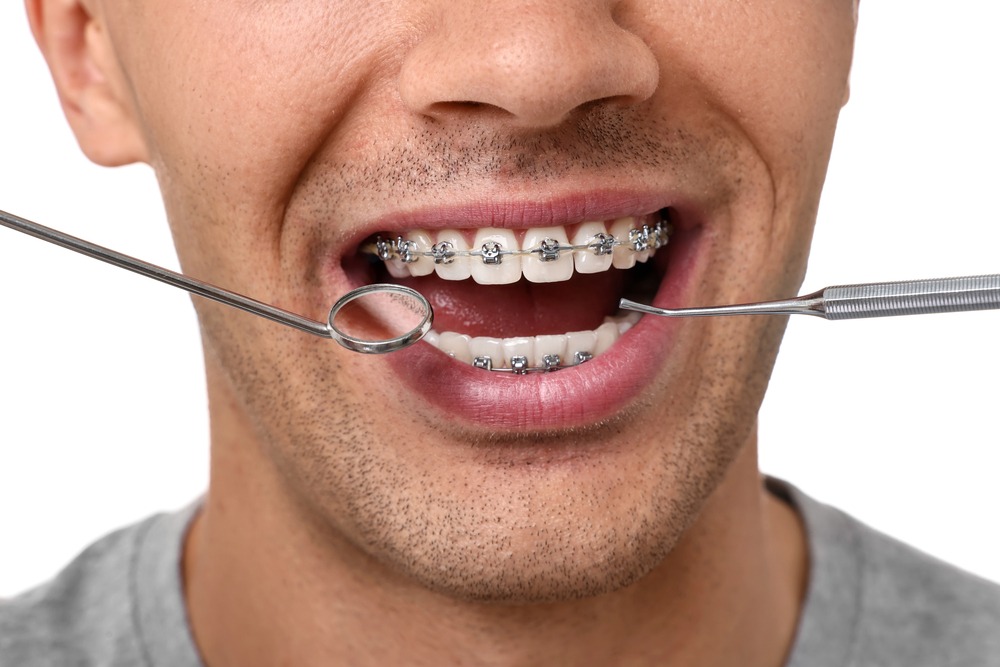
Before starting, it’s essential to understand the different types of orthodontic treatments available. Traditional metal braces, ceramic braces, and clear aligners each have unique benefits and considerations. Discussing these options with your orthodontist will help you choose the most suitable solution based on your lifestyle, budget, and dental needs. Understanding the differences ensures informed decision-making.
2. Understand the Duration of Treatment
Orthodontic treatment is not a quick fix; it requires time and patience. Depending on the complexity of the case, treatment duration can range from several months to a few years. Knowing the expected timeline helps patients plan follow-ups, maintain motivation, and set realistic expectations regarding progress and results.
3. Be Aware of Possible Discomfort
Adjustments to braces or aligners can cause temporary discomfort, including soreness, pressure, or irritation in the mouth. Being mentally prepared for these sensations and learning techniques to manage discomfort, such as using orthodontic wax or pain relief recommended by your dentist, ensures a smoother adaptation period.
4. Maintain Proper Oral Hygiene
Oral hygiene becomes even more crucial during orthodontic treatment. Braces or aligners can trap food particles, increasing the risk of cavities, gum disease, and plaque buildup. Brushing after every meal, using floss or interdental brushes, and regular dental check-ups are essential to keep teeth and gums healthy throughout treatment.
5. Understand Dietary Restrictions
Certain foods can damage braces or interfere with aligner effectiveness. Sticky, hard, or sugary foods should be avoided to prevent broken brackets, loose wires, or prolonged treatment. Following dietary guidelines provided by your orthodontist helps protect your dental appliances and ensures that treatment progresses efficiently.
6. Plan for Regular Appointments
Orthodontic treatment requires periodic adjustments and monitoring. Patients should be prepared for regular visits to the orthodontist to check progress, tighten braces, or receive new aligners. Staying committed to these appointments is crucial for achieving the best results within the projected timeframe.
7. Consider Long-Term Maintenance
Even after braces are removed, maintaining the results is vital. Retainers are often prescribed to keep teeth in their new positions and prevent relapse. Understanding the importance of post-treatment care and following your orthodontist’s instructions ensures that the investment in treatment delivers lasting benefits.
Conclusion
Starting orthodontic treatment is a significant step toward achieving a healthy and confident smile. Being informed about treatment options, duration, potential discomfort, oral hygiene, dietary restrictions, appointments, and long-term maintenance helps patients navigate the process successfully. Consulting a professional in braces SG ensures that treatment is personalized, effective, and aligned with individual goals.
By preparing and understanding these seven important aspects, patients can approach orthodontic care with confidence, maintain oral health throughout treatment, and enjoy lasting results. Proper planning, guidance, and commitment are the keys to a smooth and successful orthodontic journey.