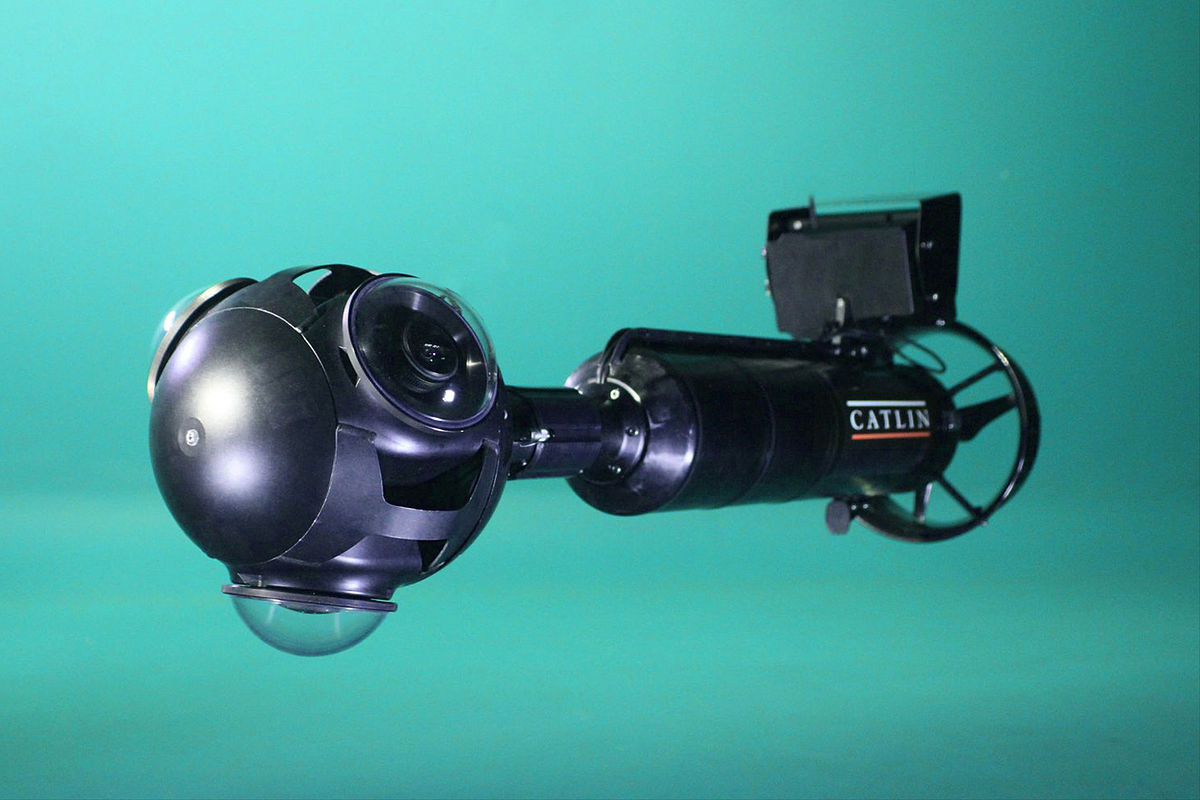
Regular maintenance of swimming pools is essential for ensuring safety, hygiene, and long-term functionality. While surface-level inspections can identify obvious issues, problems below the waterline or in hard-to-reach areas often go unnoticed. To address this challenge, many pool operators and maintenance professionals have turned to advanced technology. One such tool that has proven highly effective is the underwater inspection camera.
Incorporating an underwater inspection camera into routine pool maintenance allows technicians to examine areas that are otherwise difficult to access. From pool walls and floors to drains and filtration systems, this technology provides clear visuals of submerged surfaces, helping identify issues early and reducing the risk of costly repairs. By enabling detailed inspections without draining the pool, operators can save time and resources while ensuring optimal safety for users.
Detecting Structural Damage
Pools are exposed to constant water pressure, chemicals, and environmental stress, which can lead to cracks, leaks, or weakened surfaces over time. An underwater inspection device allows maintenance teams to locate structural problems with precision. Early detection of cracks or other damage helps prevent water loss and extends the lifespan of the pool by enabling timely repairs.
Checking Plumbing and Filtration Systems
Proper functioning of pumps, drains, and filtration systems is crucial for maintaining water quality. Using a camera for underwater inspection, technicians can examine pipes, valves, and drains for blockages, corrosion, or mechanical failures. This ensures that the water circulation and filtration remain efficient, reducing the risk of contamination and ensuring a clean and safe swimming environment.
Ensuring Safety for Pool Users
Hidden hazards such as loose tiles, sharp edges, or debris can pose risks to swimmers. Regular pool inspections using a camera help identify and address these safety concerns before they cause accidents. This proactive approach allows pool managers to maintain a safe environment, particularly in public or commercial pools where user safety is paramount.
Monitoring and Documenting Pool Conditions
An additional benefit of using underwater cameras is the ability to record and store inspection footage. This documentation provides a reference for future maintenance, allows for comparison over time, and serves as evidence of compliance with safety regulations. Recorded footage can also assist in planning repairs, budgeting, and reporting to stakeholders or authorities.
Reducing Maintenance Costs
By identifying problems early and targeting repairs accurately, underwater inspections can significantly reduce maintenance costs. Pools can avoid major structural failures, unnecessary water replacement, and extensive labor by addressing small issues promptly. This makes the investment in inspection technology a cost-effective solution for both residential and commercial pool management.
Enhancing Efficiency and Convenience
Traditional pool inspections may require draining the pool or sending divers underwater, both of which are time-consuming and disruptive. An underwater inspection camera allows technicians to perform thorough inspections without interrupting pool use. This efficiency benefits both pool operators and users, ensuring maintenance tasks are completed quickly and effectively.
In conclusion, the use of an underwater inspection camera for pool checks offers numerous advantages, including early detection of structural damage, efficient monitoring of plumbing systems, improved safety, and cost savings. By integrating this technology into routine maintenance, pool managers can ensure cleaner, safer, and better-maintained swimming facilities while minimizing disruptions and operational expenses.