
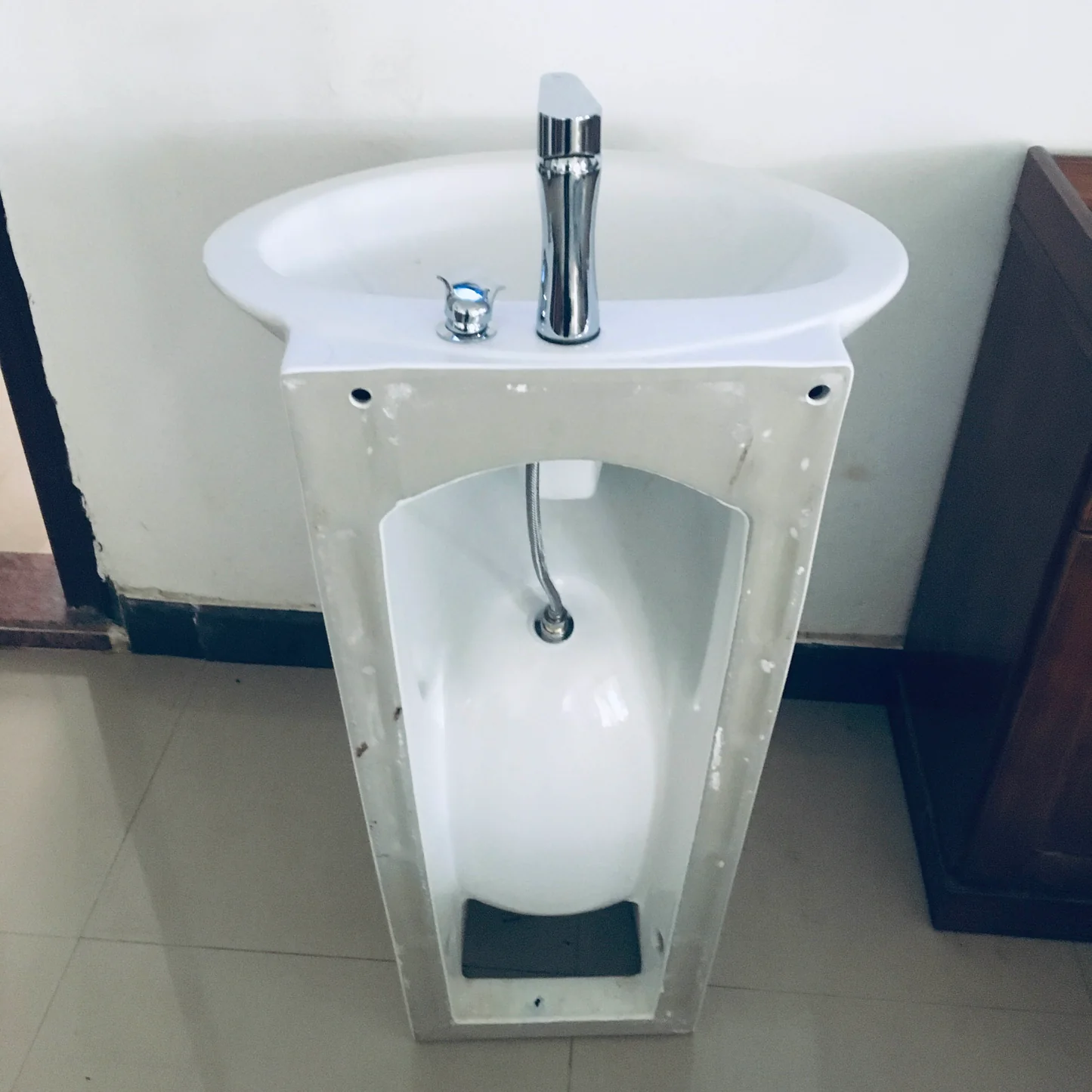
Selecting the right material for a basin with foot wash is a critical decision that impacts durability, maintenance, hygiene, and overall appearance. High-traffic areas such as mosques, schools, and public facilities demand materials that can withstand frequent use while maintaining functionality and visual appeal. Choosing the appropriate material ensures long-term performance and reduces maintenance challenges.
Importance of Material Quality
Material quality directly influences the lifespan and usability of a basin with foot wash. High-quality materials resist corrosion, scratches, and staining, while low-quality alternatives may deteriorate quickly, compromising both aesthetics and functionality. Premium units, such as basin with foot wash, use durable solid surface materials that provide a smooth finish, excellent resistance to wear, and ease of cleaning. Selecting a reliable material reduces the need for frequent repairs or replacements, ensuring consistent performance over time.
Common Material Options
Several materials are commonly used for foot wash basins, each with distinct advantages and considerations:
- Solid Surface: This material is non-porous, easy to clean, and resistant to stains and scratches. It offers a smooth, modern finish that suits both wall-mounted and floor-mounted designs. Solid surface basins are ideal for high-traffic areas due to their durability and hygienic properties.
- Stainless Steel: Known for strength and corrosion resistance, stainless steel is highly durable and suitable for heavy-use environments. It is easy to sanitize and can withstand frequent cleaning with strong disinfectants. Stainless steel also provides a sleek, industrial look.
- Ceramic or Porcelain: These materials are traditional and visually appealing but can be more fragile than solid surface or stainless steel. They are prone to chipping or cracking if subjected to heavy impact, making them less suitable for high-traffic areas.
- Composite Materials: Composites combine multiple materials to enhance durability and aesthetic appeal. They often offer improved impact resistance and easier maintenance while maintaining a modern appearance.
Hygiene and Maintenance Considerations
Non-porous materials are generally preferred for foot wash basins because they prevent bacterial growth and make cleaning more efficient. Smooth surfaces minimize dirt accumulation and allow for easy rinsing and sanitization. Materials like solid surface and stainless steel excel in this regard, making them suitable for schools, mosques, and healthcare facilities where hygiene is paramount.
Maintenance requirements should also influence material selection. Materials resistant to stains, scratches, and corrosion reduce cleaning effort and prolong the lifespan of the basin. Easy-to-clean surfaces also contribute to safer and more sanitary wudu areas by preventing water stagnation and dirt buildup.
Durability and Longevity
Durability is a primary factor when choosing materials for a basin with foot wash. Facilities with high foot traffic need basins that can withstand repeated use without compromising structural integrity. Solid surface and stainless steel options are particularly suitable because they resist wear and tear while maintaining their shape and finish. Investing in a durable material ensures that the basin remains functional and visually appealing for many years.
Aesthetic Appeal
While functionality and durability are crucial, aesthetics should not be overlooked. Modern facilities often prioritize a clean, minimalist design. Solid surface basins can be customized in various colors and finishes to match the surrounding decor, while stainless steel provides a sleek and professional appearance. Selecting a material that complements the interior enhances the overall look of the wudu area or washroom.
Environmental and Sustainability Factors
Increasingly, facilities consider the environmental impact of the materials used in construction. Solid surface and composite materials are often designed to be eco-friendly, using sustainable production processes and offering long-term durability, which reduces waste. Choosing materials that are both sustainable and high-performing supports long-term facility management goals.
Conclusion
When selecting a basin with foot wash, material choice plays a critical role in hygiene, durability, maintenance, and aesthetics. Solid surface, stainless steel, and composite materials are among the best options for high-traffic areas due to their resilience, ease of cleaning, and modern appeal. Carefully considering durability, hygiene, maintenance, and design ensures a reliable and visually appealing installation that meets the needs of users for years to come.