
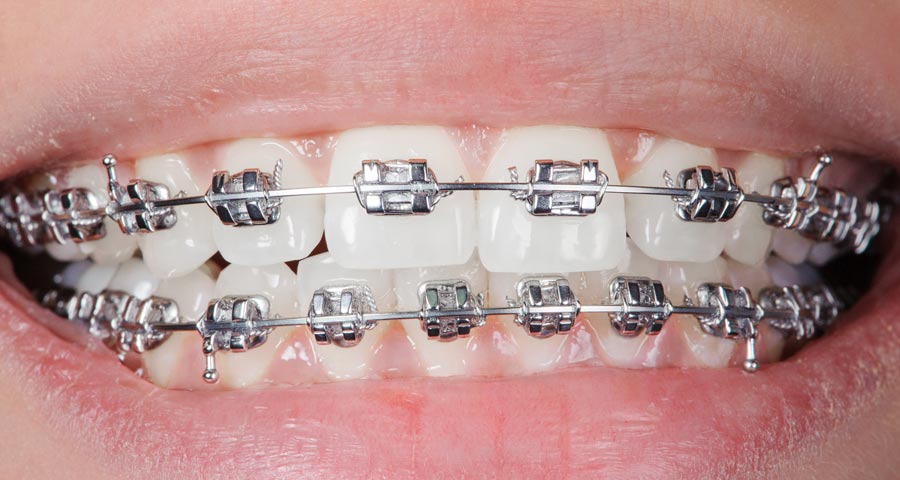
Orthodontic treatment, particularly braces, is an effective way to correct misaligned teeth, improve bite function, and enhance overall dental health. In some cases, tooth extraction is recommended as part of the treatment plan to create sufficient space for proper alignment. Understanding when braces tooth extraction is necessary and what to expect can help patients approach treatment with confidence and clarity.
Consulting a professional clinic for Braces Tooth Extraction ensures that patients receive tailored advice and care from trained orthodontic specialists. Reputable clinics carefully assess each patient’s dental structure and oral health to determine whether extraction is required, helping achieve optimal results safely and efficiently.
When Tooth Extraction Is Needed for Braces
Tooth extraction is not always required for orthodontic treatment. However, it may be recommended in cases where:
- Severe Crowding: When teeth do not have enough space to align properly, removing one or more teeth can prevent overcrowding and allow for effective braces treatment.
- Protruding Teeth: Extraction can help retract teeth that protrude excessively, improving both function and aesthetics.
- Jaw Size and Alignment Issues: If the jaw is too small to accommodate all teeth comfortably, extraction may be necessary to balance spacing.
- Impacted Teeth: Teeth that are trapped within the jaw or fail to erupt correctly may require removal to prevent complications and facilitate orthodontic adjustments.
Orthodontists perform a thorough evaluation using dental X-rays, scans, and clinical examinations to decide if extraction is necessary for each individual case.
The Tooth Extraction Procedure
Tooth extraction is typically a straightforward procedure, performed under local anesthesia to minimize discomfort. The process generally involves:
- Numbing the area with local anesthesia.
- Loosening the tooth from its socket using specialized dental instruments.
- Carefully removing the tooth while minimizing trauma to surrounding tissues.
- Providing post-extraction instructions, including care tips to prevent infection and promote healing.
Patients may experience mild discomfort, swelling, or sensitivity after the procedure, which can usually be managed with over-the-counter pain relief and proper oral hygiene.
Benefits of Extraction Before Braces
When tooth extraction is performed as part of orthodontic treatment, it offers several benefits:
- Creates necessary space to align crowded or misaligned teeth.
- Improves bite function and overall oral health.
- Enhances the aesthetic results of braces by allowing teeth to move into optimal positions.
- Reduces the risk of future dental issues caused by overcrowding, such as gum disease or tooth decay.
By carefully planning extraction in conjunction with braces, orthodontists can achieve more predictable and effective treatment outcomes.
Recovery and Aftercare
Following tooth extraction, proper aftercare is essential for a smooth recovery and successful orthodontic treatment. Patients should:
- Follow the dentist’s instructions regarding oral hygiene and diet.
- Avoid hard, crunchy, or sticky foods that could irritate the extraction site.
- Use recommended rinses or medications to reduce the risk of infection and promote healing.
- Attend follow-up appointments to monitor progress and plan the next stages of braces treatment.
Most patients experience a quick recovery and can proceed with braces adjustments within a short period after extraction.
Alternatives to Tooth Extraction
In some cases, orthodontists may explore alternatives to extraction, such as:
- Interproximal Reduction (IPR): Slightly reducing the width of certain teeth to create space.
- Expansion Appliances: Using devices to widen the jaw and accommodate teeth without removing them.
The decision depends on the patient’s specific dental structure, age, and treatment goals. A thorough consultation with an orthodontist ensures the most appropriate approach is selected.
Conclusion
Understanding Braces Tooth Extraction helps patients make informed decisions about their orthodontic care. Tooth extraction, when necessary, facilitates effective alignment, improves bite function, and enhances overall oral health. By consulting a professional orthodontic clinic, patients receive personalized guidance, proper procedures, and ongoing support throughout treatment, ensuring safe, efficient, and aesthetically satisfying results.