A blocked nose and ears are common complaints that can affect people of all ages. These symptoms may interfere with daily activities, disrupt sleep, and lead to discomfort or headaches. Understanding the underlying causes and implementing effective relief strategies is essential for maintaining overall well-being. Blocked Nose and Ears can be temporary, caused by minor issues such as allergies, or more persistent, indicating underlying medical conditions that require attention.
For reliable guidance on managing ear-related issues and understanding their causes, resources like Blocked Nose and Ears provide valuable insights. Consulting healthcare professionals ensures accurate diagnosis and treatment, helping individuals achieve fast and lasting relief.
Common Causes of a Blocked Nose
A blocked nose occurs when nasal passages become swollen or obstructed, preventing proper airflow. The most frequent causes include:
- Allergic Rhinitis: Triggered by allergens such as dust, pollen, or pet dander, allergic rhinitis causes nasal congestion, sneezing, and itchy eyes.
- Common Cold or Flu: Viral infections lead to inflammation of nasal tissues and increased mucus production, resulting in temporary nasal blockage.
- Sinus Infections (Sinusitis): Bacterial or viral infections of the sinuses can cause prolonged congestion, facial pain, and pressure around the eyes and forehead.
- Deviated Septum: Structural irregularities in the nasal septum can restrict airflow, leading to chronic nasal blockage.
- Environmental Irritants: Smoke, pollution, or strong odors can irritate the nasal passages and cause temporary congestion.
Common Causes of a Blocked Ear
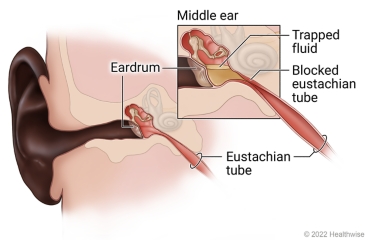
Blocked ears often occur when the Eustachian tube, which connects the middle ear to the back of the throat, becomes obstructed. Common causes include:
- Earwax Buildup: Excessive earwax can block the ear canal, leading to muffled hearing and discomfort.
- Fluid in the Middle Ear: Infections or allergies can cause fluid accumulation, creating a feeling of fullness in the ears.
- Pressure Changes: Rapid altitude changes during flights or diving can cause temporary ear blockage.
- Infections: Otitis media, an infection of the middle ear, can lead to inflammation and fluid retention, resulting in blockage.
- Sinus and Nasal Congestion: Swelling in the nasal passages can impact the Eustachian tube, contributing to ear blockage.
Fast Relief Strategies
While some causes require medical treatment, several strategies can provide temporary relief for blocked nose and ears:
Nasal Relief
- Saline Nasal Sprays: Help to flush out allergens, mucus, and irritants, reducing congestion.
- Steam Inhalation: Moist warm air can soothe nasal passages and improve airflow.
- Decongestants: Short-term use of oral or nasal decongestants can relieve swelling and ease breathing.
- Allergy Management: Identifying and avoiding triggers, along with using antihistamines, can minimize allergic congestion.
Ear Relief
- Earwax Removal: Professional ear cleaning can safely remove excess wax, restoring normal hearing.
- Yawning and Swallowing: Simple actions can help open the Eustachian tube and relieve pressure.
- Warm Compress: Applying a warm cloth to the affected ear can reduce discomfort caused by minor congestion.
- Medical Intervention: Persistent fluid or infection may require antibiotics or other treatments as advised by a healthcare professional.
Preventive Measures
Preventing blocked nose and ears involves adopting habits that minimize exposure to irritants and infections:
- Wash hands frequently to reduce the risk of viral infections.
- Use air purifiers to limit exposure to allergens at home.
- Avoid smoking and smoky environments.
- Maintain proper hydration to keep mucus thin and easier to drain.
- Manage allergies with prescribed medications and lifestyle adjustments.
When to See a Doctor
If blockage persists for more than a few days, is accompanied by severe pain, fever, hearing loss, or dizziness, it is important to consult an ENT specialist. Early diagnosis and treatment prevent complications and promote faster recovery.
Conclusion
Blocked Nose and Ears can result from a variety of causes, ranging from temporary irritants to underlying medical conditions. Understanding these causes and implementing fast relief strategies can significantly improve comfort and daily functioning. Preventive measures and consultation with healthcare professionals ensure long-term relief and maintain overall ear and nasal health. Taking proactive steps allows individuals to enjoy clearer breathing, better hearing, and improved quality of life.