Home renovation projects often require a combination of precision, durability, and efficiency to achieve professional-looking results. One material that has become a staple in DIY renovation is foam sealant. Its versatility and ease of use make it an essential tool for sealing gaps, improving insulation, and enhancing structural integrity in various projects.
Understanding Foam Sealant
Foam sealant is a polyurethane-based expanding material that fills cracks, cavities, and gaps in walls, ceilings, floors, and around fixtures. Its expanding nature allows it to conform to irregular spaces, creating a strong seal that prevents air and moisture intrusion. For DIY enthusiasts looking for reliable products, foam sealant offers formulations suitable for both indoor and outdoor use, ensuring long-lasting results and improved performance in home renovation tasks.
Enhancing Insulation and Energy Efficiency
One of the primary benefits of foam sealant in DIY projects is its ability to enhance insulation. Gaps around doors, windows, and other structural elements can lead to heat loss or gain, increasing energy bills. By filling these spaces, foam sealant creates an airtight barrier that maintains indoor temperatures more effectively. This not only improves comfort but also reduces energy consumption, making renovations more sustainable.
Sealing Gaps and Cracks
During renovations, especially in older homes, gaps and cracks are common. Foam sealant is ideal for sealing these imperfections, whether around plumbing pipes, electrical conduits, or wall joints. By filling voids completely, it prevents drafts, moisture infiltration, and pest entry, which are common issues in homes undergoing renovation. Its adhesive properties ensure that the seal remains intact for years, supporting the longevity of renovation work.
Supporting Structural Stability
In addition to sealing and insulation, foam sealant can provide supplemental support to structural elements. While not a replacement for beams or reinforcements, it helps stabilize areas with minor movement or gaps, reducing stress on walls and joints. For DIY projects involving cabinetry installation, door frames, or partition walls, foam sealant can enhance stability and prevent future issues caused by shifting or settling materials.
Noise Reduction and Comfort
Another advantage of using foam sealant in renovation projects is its noise-reducing properties. By filling cavities and gaps, it dampens sound transmission between rooms or floors. This feature is particularly valuable in multi-story homes, shared walls in apartments, or rooms that require acoustic privacy, such as home offices or bedrooms.
Ease of Use for DIY Enthusiasts
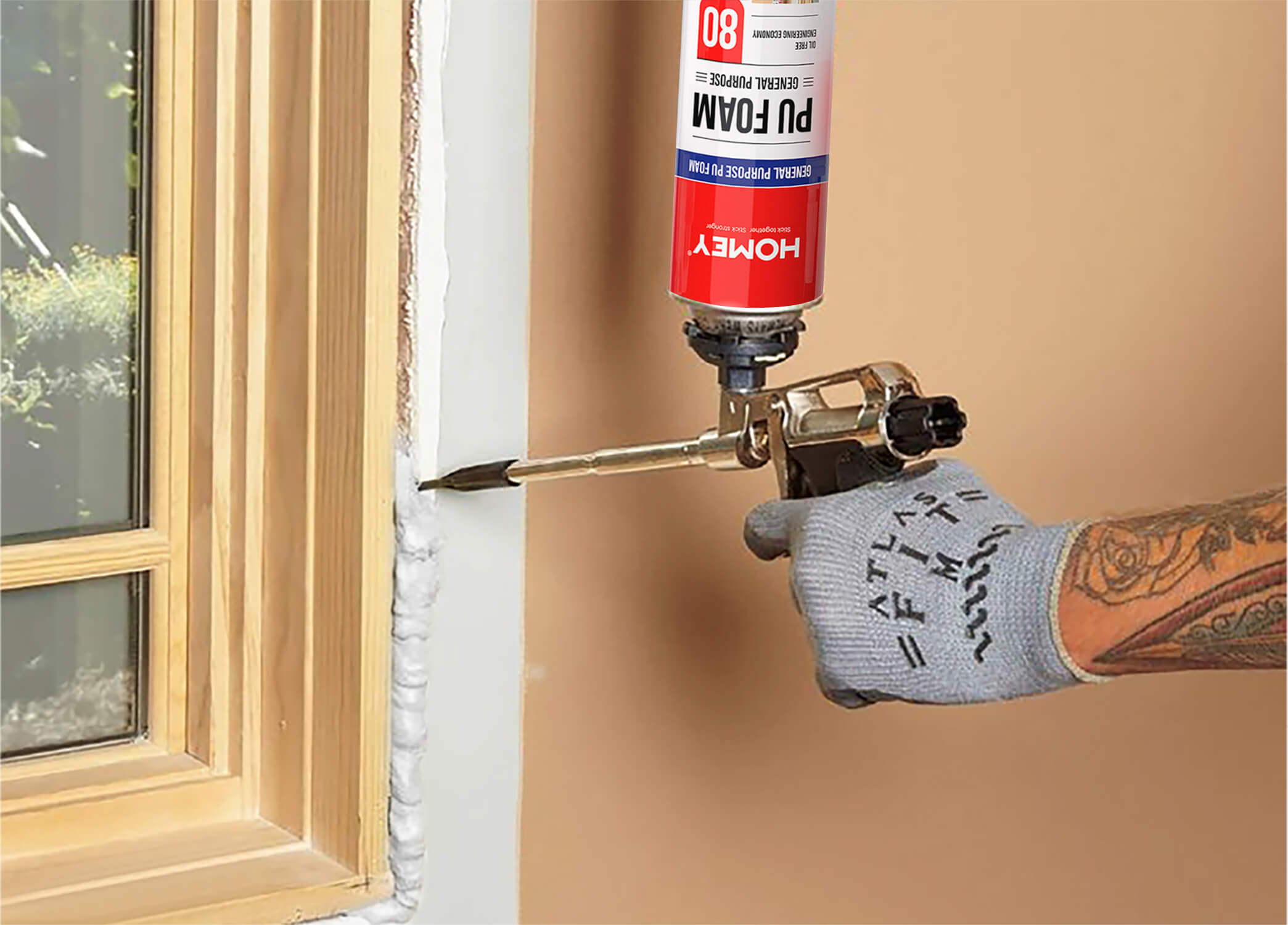
Foam sealant is highly user-friendly, making it an excellent choice for DIY renovation projects. Its expanding nature means that it can fill irregular gaps without the need for precise cutting or shaping. Additionally, many foam sealants come with convenient applicator nozzles, allowing homeowners to target specific areas with minimal mess. Proper precautions, such as wearing gloves and ensuring good ventilation, make its use safe and efficient.
Tips for Effective Application
- Prepare Surfaces: Ensure that surfaces are clean, dry, and free of dust or debris before applying foam sealant.
- Use Gradually: Apply small amounts and allow expansion to prevent overflow or waste.
- Trim Excess: Once cured, trim any excess foam for a neat finish.
- Select the Right Type: Choose expanding foam for larger gaps and non-expanding foam for precise sealing around windows, doors, or trim.
- Follow Manufacturer Guidelines: Each foam sealant formulation may have specific instructions for curing time, temperature, and application techniques.
Long-Term Benefits for DIY Projects
Incorporating foam sealant in renovation projects provides lasting advantages. It helps maintain energy efficiency, protects against moisture and pests, improves structural stability, reduces noise, and contributes to overall comfort. For DIY homeowners, it is a practical, cost-effective, and reliable solution that enhances the quality and durability of renovation efforts.
Conclusion
Using foam sealant in DIY renovation projects is an effective way to achieve professional results with minimal effort. From filling gaps and improving insulation to enhancing structural stability and reducing noise, foam sealant supports a wide range of tasks in both new and existing homes. By understanding its properties, applying it correctly, and selecting the right type for each application, homeowners can maximize the benefits of foam sealant, ensuring that renovation projects are not only visually appealing but also durable, energy-efficient, and long-lasting.