
Smart home systems are increasingly incorporating advanced monitoring technologies to enhance convenience, safety, and efficiency. Among these innovations, environmental monitoring devices play a crucial role in managing water quality, hydroponics, aquariums, and even swimming pools. One key parameter often tracked in these systems is pH, as acidity or alkalinity can significantly impact both human health and automated household processes.
Maintaining the correct pH levels in household water systems is important for multiple reasons. For instance, pool and spa water require consistent pH to prevent corrosion, scaling, and skin irritation. Similarly, home aquaponics or hydroponics setups need precise pH control to ensure optimal plant growth and nutrient uptake. Smart home systems equipped with pH monitoring capabilities allow homeowners to maintain these conditions efficiently and accurately.
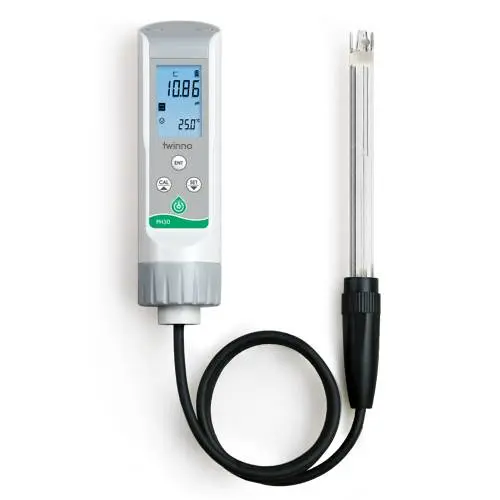
A practical solution for real-time pH management is the pH sensor, which detects hydrogen ion concentration in liquids and provides immediate feedback. Integration of such sensors into smart home systems enables automated monitoring, alerts, and even adjustments, ensuring that water quality and other liquid-based systems remain within ideal ranges. Their responsiveness and accuracy make them well-suited for modern automated household environments.
Applications of pH Sensors in Smart Homes
Smart home integration of pH sensors spans several applications. In home aquaponics or hydroponics systems, sensors monitor nutrient solution acidity to optimize plant growth and maximize yields. Automated dosing systems can adjust pH levels in real-time based on sensor readings, ensuring a stable growing environment without manual intervention.
In swimming pools and hot tubs, pH sensors maintain safe water conditions by providing continuous feedback to control systems that dispense chemicals like chlorine or pH adjusters. This prevents fluctuations that can cause discomfort or damage equipment, offering both convenience and safety to homeowners.
Even drinking water systems benefit from pH monitoring. Sensors can detect potential issues such as high acidity or alkalinity that may affect taste, plumbing integrity, or appliance performance. Alerts triggered by smart systems allow homeowners to take timely corrective action, improving water quality and system longevity.
Benefits of Integrating pH Sensors
Integrating pH sensors into smart home systems provides several advantages. Continuous real-time monitoring reduces the need for manual testing and ensures immediate detection of deviations. Automation enables precise chemical dosing, which improves efficiency and reduces the risk of human error.
Additionally, sensor data can be logged and analyzed through smart home applications, allowing homeowners to track trends, identify recurring issues, and optimize system performance. Remote monitoring capabilities further enhance convenience, enabling users to check pH levels and receive alerts from anywhere using smartphones or tablets.
Features of Modern Smart Home pH Sensors
Modern pH sensors designed for smart home integration come equipped with features such as automatic calibration, temperature compensation, and wireless connectivity. These capabilities ensure accurate readings in varying environmental conditions and simplify maintenance. Compact and durable designs allow installation in confined spaces such as water tanks, filtration units, or small hydroponic setups.
Integration with home automation platforms enables seamless communication with other devices. For example, pH sensors can trigger chemical dispensers, water pumps, or alert systems when pH levels exceed predefined thresholds. This synergy between devices creates a fully automated, self-regulating environment.
Challenges and Considerations
Despite their benefits, there are challenges in using pH sensors within smart home systems. Sensors require regular calibration and maintenance to prevent drift and fouling, particularly in water systems containing minerals, algae, or other contaminants. Selecting a sensor appropriate for the specific liquid environment is also critical to ensure accuracy and durability.
Proper placement and integration into the home system are essential. Wireless signals must be reliable, and protective housings may be necessary to prevent damage from splashes or physical contact. Addressing these considerations ensures consistent performance and longevity of the sensors.
Future of pH Sensors in Smart Homes
As smart home technology advances, pH sensors are expected to become more common in integrated environmental monitoring systems. Improved connectivity, artificial intelligence, and predictive analytics will allow systems to proactively manage water quality, plant growth, and household chemical balance. These developments will further enhance efficiency, safety, and convenience for homeowners.
Conclusion
pH sensors play a vital role in modern smart home systems by providing accurate, real-time monitoring of acidity and alkalinity in water, hydroponics, and recreational systems. Their integration enables automated adjustments, remote monitoring, and data-driven insights, improving convenience, safety, and efficiency. By selecting the right sensor and maintaining proper calibration, homeowners can ensure consistent performance and fully leverage the benefits of smart environmental monitoring in their homes.