Maintaining water quality is essential for public health, industrial applications, and environmental protection. In desalination and water treatment processes, monitoring chemical parameters such as pH is critical for ensuring safe and effective operation. Proper pH control helps optimize treatment efficiency, prevent corrosion, and maintain compliance with regulatory standards.
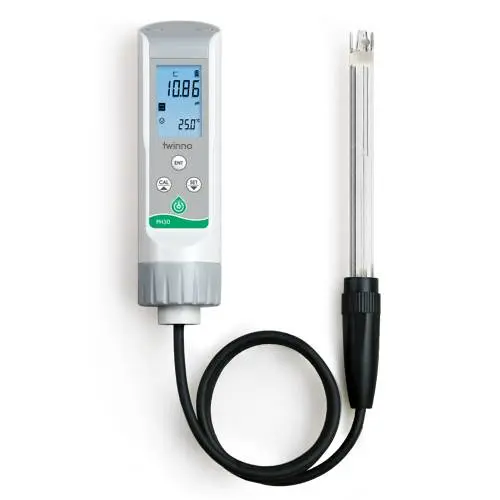
A pH sensor provides accurate, real-time measurement of the hydrogen ion concentration in water. These sensors allow operators to monitor acidity and alkalinity throughout the treatment process, enabling precise control over chemical dosing, filtration, and disinfection. By providing immediate feedback, pH sensors help maintain water quality and prevent issues that could compromise safety or equipment performance.
A pH sensor is commonly integrated into desalination and water treatment systems to continuously track pH levels at key stages. In desalination plants, monitoring pH is crucial for processes such as reverse osmosis, where improper acidity or alkalinity can reduce membrane efficiency and lifespan. In water treatment facilities, pH control ensures effective coagulation, sedimentation, and disinfection, which are necessary for producing safe drinking water.
Importance of pH Control in Desalination
Desalination involves removing salts and impurities from seawater or brackish water. pH levels can affect the solubility of minerals, the efficiency of chemical treatments, and the longevity of membranes used in reverse osmosis or other filtration methods. Maintaining optimal pH ensures that scaling, fouling, and corrosion are minimized, which reduces maintenance costs and extends equipment life.
Role in Water Treatment Processes
In water treatment, pH control plays a key role in multiple stages:
- Coagulation and Flocculation: Proper pH ensures that coagulants and flocculants form effective aggregates for sediment removal.
- Disinfection: Chlorine and other disinfectants are most effective within specific pH ranges, ensuring microbial control.
- Neutralization: pH adjustments prevent water from being too acidic or alkaline, which can damage distribution infrastructure.
- Wastewater Treatment: Monitoring pH ensures compliance with discharge regulations and protects aquatic ecosystems.
Continuous pH measurement with sensors allows operators to maintain these processes efficiently and consistently.
Integration With Automated Systems
Modern desalination and water treatment plants often rely on automated monitoring and control systems. pH sensors feed real-time data to programmable logic controllers (PLCs) or distributed control systems (DCS), which automatically adjust chemical dosing to maintain optimal conditions. This integration reduces human error, enhances treatment efficiency, and ensures consistent water quality.
Maintenance and Calibration of pH Sensors
To maintain accurate readings, pH sensors require regular calibration with standard buffer solutions and proper maintenance. Cleaning electrodes to remove buildup, inspecting for damage, and storing sensors correctly are essential practices. In harsh environments such as seawater desalination, these steps help extend the sensor’s lifespan and ensure reliable operation.
Advantages of Using pH Sensors in Water Treatment
- Real-Time Monitoring: Detects pH fluctuations immediately, allowing for prompt corrective action.
- Enhanced Efficiency: Optimizes chemical dosing and treatment processes, reducing costs.
- Equipment Protection: Prevents corrosion and scaling that can damage pipes and membranes.
- Regulatory Compliance: Supports adherence to drinking water and environmental standards.
- Data Logging: Enables record-keeping and performance analysis for long-term operational improvement.
These advantages make pH sensors a critical component of modern water and wastewater management systems.
Conclusion
pH sensors play a vital role in desalination and water treatment, ensuring the safe, efficient, and reliable production of potable water. By providing accurate, real-time measurements of acidity and alkalinity, these sensors help optimize treatment processes, protect infrastructure, and maintain regulatory compliance. Proper calibration and maintenance ensure long-term reliability, making pH sensors an indispensable tool in water management operations.