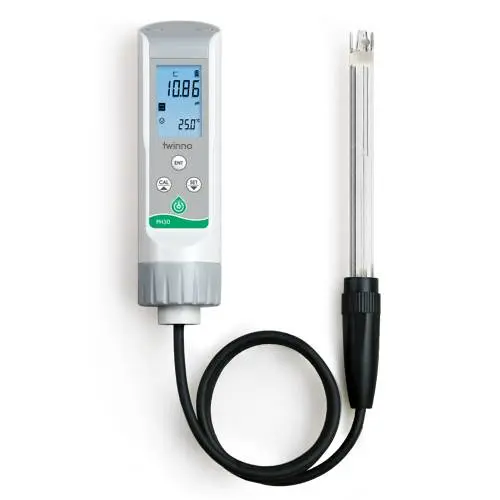
A pH sensor is a critical component in water monitoring systems, used across municipal treatment facilities, industrial operations, laboratories, and environmental monitoring projects. Accurate pH measurement ensures safe water quality, effective chemical dosing, and proper system operation. However, to maintain consistent accuracy and prolong the life of the device, proper maintenance practices are essential.
Using a pH Sensor for Water without adhering to maintenance guidelines can lead to drift, slow response times, and inaccurate readings. Implementing regular care and monitoring routines ensures reliable performance, reduces operational costs, and avoids unexpected downtime. Understanding best practices for sensor maintenance is critical for operators managing water systems.
Regular Calibration
Calibration is one of the most important maintenance tasks for a pH sensor. Over time, electrodes may drift due to prolonged use or exposure to harsh water conditions. Regular calibration using fresh, standard buffer solutions ensures that the sensor continues to provide accurate readings.
For high-precision applications, multi-point calibration across the expected pH range is recommended. Scheduling calibrations at consistent intervals, based on usage and water conditions, helps maintain accuracy and reduces the likelihood of undetected errors.
Proper Storage
Storage conditions significantly affect the lifespan and responsiveness of a pH sensor. Electrodes must remain hydrated to function correctly. Storing a dry electrode can damage the glass membrane and impair measurement accuracy.
When the sensor is not in use, it should be kept in a recommended storage solution, often a mild electrolyte solution, rather than in distilled or deionized water. Proper storage prevents membrane dehydration and ensures a faster response during subsequent use.
Routine Cleaning
Electrode fouling from sediments, oils, or chemical deposits is a common issue in water monitoring. Contaminated electrodes produce slow or inconsistent readings. Regular cleaning using manufacturer-approved solutions removes residues and restores optimal performance.
For heavily contaminated water, specialized cleaning methods may be necessary, including soaking or regeneration procedures. Operators should follow manufacturer instructions carefully to avoid damaging sensitive components.
Inspecting and Replacing Components
Long-term sensor maintenance involves routine inspection for signs of wear or damage. Cracks, scratches, or discoloration on the glass membrane can affect measurement accuracy. Additionally, reference electrodes may require replacement if they show signs of contamination or degradation.
Proactive replacement of worn parts helps maintain stable readings and prevents costly failures. Keeping spare components on hand allows quick repairs and reduces operational downtime.
Temperature Compensation Checks
pH readings are affected by temperature fluctuations. Most modern sensors include automatic temperature compensation (ATC), but it is important to ensure that the feature is functioning correctly. Regular verification of temperature compensation ensures that the sensor provides accurate readings across varying water temperatures.
In applications with wide temperature ranges, consistent checks on ATC functionality help prevent systematic measurement errors.
Electrical and Connection Maintenance
Electrical interference can disrupt sensor signals, leading to inaccurate readings. Regularly inspect cables, connectors, and grounding to prevent signal loss or noise. Replacing damaged cables and ensuring proper connection integrity is essential for reliable sensor operation.
Monitoring the sensor’s integration with meters or control systems also ensures that data is accurately transmitted and recorded.
Preventing Chemical Damage
Exposure to harsh chemicals or extreme pH conditions can shorten a sensor’s lifespan. Whenever possible, use sensors rated for the specific water chemistry and pH ranges of your application. Implementing protective measures, such as pre-filtration or flow regulation, reduces the risk of chemical damage and prolongs electrode life.
Documentation and Record-Keeping
Maintaining logs of calibration, cleaning, and maintenance activities is important for long-term reliability. Documentation helps track sensor performance, anticipate maintenance needs, and ensure compliance with operational or regulatory standards. Historical data can also assist in diagnosing recurring issues and optimizing maintenance schedules.
Conclusion
Consistent and proper maintenance is key to ensuring the accuracy and longevity of a pH Sensor for Water. Regular calibration, proper storage, routine cleaning, inspection, temperature verification, and electrical checks all contribute to stable, reliable performance. By following these long-term maintenance tips, water monitoring operators can protect their investment, reduce operational disruptions, and maintain high-quality water standards across industrial, municipal, and environmental applications.