
Influencer marketing has transformed from a niche marketing tactic into a cornerstone of digital advertising. What began as simple product endorsements from popular social media personalities has now evolved into a multi-billion-dollar industry that shapes brand strategies and consumer behavior worldwide. At the heart of this transformation lies the growing sophistication of influencer marketing agencies, which have redefined how brands and creators collaborate for mutual growth.
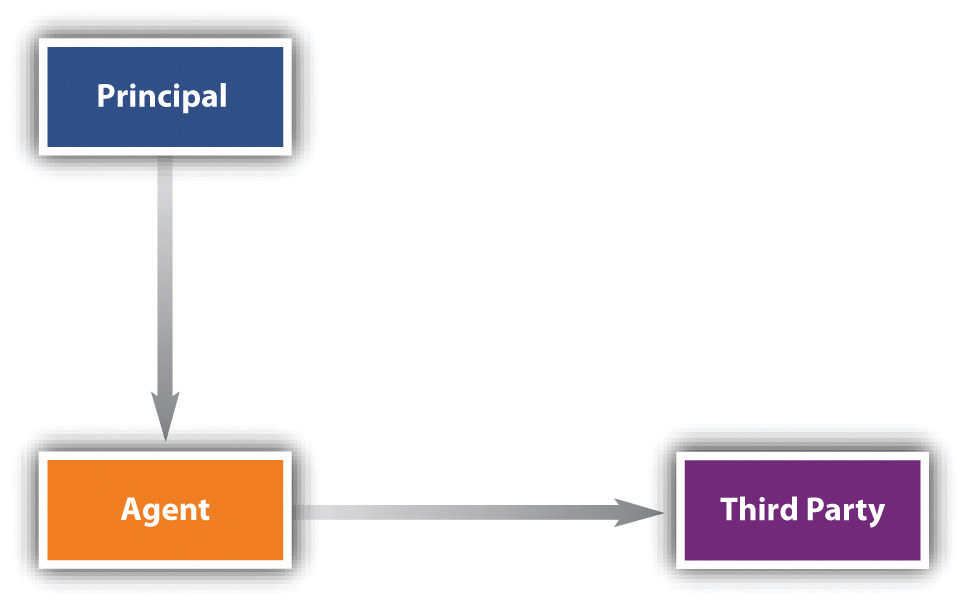
As the digital landscape continues to shift, agencies such as OF Agency have become crucial partners in bridging the gap between brands and influencers. These agencies provide structure, strategic direction, and performance-driven insights that help creators thrive while ensuring brands reach their target audiences with authenticity and measurable impact.
The Early Stages of Influencer Marketing
In the early 2010s, influencer marketing was largely unstructured. Brands sought partnerships directly with social media personalities, often through informal agreements or simple barter exchanges. Influencers were primarily seen as relatable individuals with loyal followings, capable of generating organic buzz for products.
However, as social media platforms like Instagram, YouTube, and TikTok gained global influence, brands began to recognize the scalability of influencer partnerships. What started as spontaneous collaborations evolved into strategic campaigns with defined goals, measurable engagement metrics, and professional management. This shift laid the foundation for the rise of influencer marketing agencies.
The Rise of Specialized Agencies
As influencer marketing matured, the need for professional intermediaries became evident. Managing multiple creators, negotiating contracts, ensuring compliance with advertising regulations, and analyzing performance data required specialized expertise. Influencer marketing agencies emerged to meet these growing demands, providing brands with end-to-end campaign management and creators with representation and business support.
Agencies began offering services such as influencer vetting, content strategy, audience analytics, and ROI tracking. For creators, agencies handled brand negotiations, legal protections, and monetization opportunities, enabling them to focus on producing high-quality content. This professionalization of the industry marked a significant evolution in the influencer marketing ecosystem.
The Shift Toward Data-Driven Campaigns
Modern influencer marketing is no longer just about follower counts or likes. Agencies now rely on advanced data analytics to identify influencers who align with a brand’s target audience and values. Metrics such as engagement rates, audience demographics, content authenticity, and conversion performance guide campaign decisions.
Influencer marketing agencies use technology platforms to track results in real time, optimizing strategies for maximum impact. This data-driven approach ensures transparency and accountability, helping both brands and creators make informed decisions about collaborations.
Expanding Beyond Traditional Influencers
The definition of an influencer has broadened significantly over the years. While celebrities and mega-influencers still hold value, brands increasingly partner with micro- and nano-influencers—individuals with smaller but highly engaged audiences. These creators often drive higher trust and better conversion rates due to their close connection with followers.
Agencies have adapted by diversifying their influencer networks, segmenting creators based on niche, audience behavior, and platform specialization. From lifestyle and gaming to finance and sustainability, influencer marketing has become a tailored strategy rather than a one-size-fits-all approach.
The Integration of Content Creation and Brand Strategy
Influencer marketing agencies today go beyond matchmaking between brands and creators. They play a vital role in creative strategy, campaign planning, and storytelling. Agencies help shape the narrative around a brand, ensuring content feels authentic while aligning with marketing objectives.
Creators are no longer simply product promoters—they are brand partners and co-creators. Agencies facilitate this collaboration by coordinating production schedules, managing deliverables, and ensuring the brand message resonates naturally with the influencer’s personal style and audience expectations.
Legal and Ethical Developments in Influencer Marketing
As the industry has grown, so too has the importance of legal and ethical standards. Regulatory bodies now require clear disclosure of sponsored content to maintain transparency and trust with audiences. Agencies play a crucial role in ensuring compliance with these guidelines, drafting contracts that protect both parties and preventing potential disputes.
Furthermore, agencies are taking a proactive stance on brand safety and ethical marketing. They vet influencer content for alignment with brand values, monitor performance integrity, and promote responsible partnerships that reflect positively on all stakeholders.
The Role of Technology in the Future of Influencer Agencies
Technology continues to redefine influencer marketing. Artificial intelligence and machine learning are being integrated into agency operations to improve audience analysis, content personalization, and campaign forecasting. Automated tools can now detect engagement authenticity, identify emerging creators, and predict campaign outcomes based on historical performance data.
Influencer marketing agencies that embrace these technological advancements will gain a competitive edge by delivering data-backed, scalable, and effective marketing solutions. The human element—creative storytelling and relationship building—remains essential, but technology enhances efficiency and precision.
The Future: From Agencies to Creator Ecosystems
The future of influencer marketing agencies lies in building comprehensive creator ecosystems. Instead of merely managing campaigns, agencies are evolving into full-service platforms that support creator growth, brand partnerships, and community engagement.
This holistic approach benefits both sides: creators receive career guidance and brand opportunities, while businesses gain access to authentic, long-term ambassadors who enhance brand equity. The emphasis is shifting from short-term sponsorships to sustainable partnerships that deliver lasting results.
Conclusion
The evolution of influencer marketing agencies reflects the broader transformation of digital communication and commerce. From casual collaborations to data-driven brand partnerships, agencies have professionalized and elevated the influencer industry into a cornerstone of modern marketing.
As the industry continues to grow, agencies like OF Agency will remain at the forefront of innovation—helping creators build sustainable careers, guiding brands toward authentic engagement, and shaping the future of online influence through strategy, technology, and trust.