
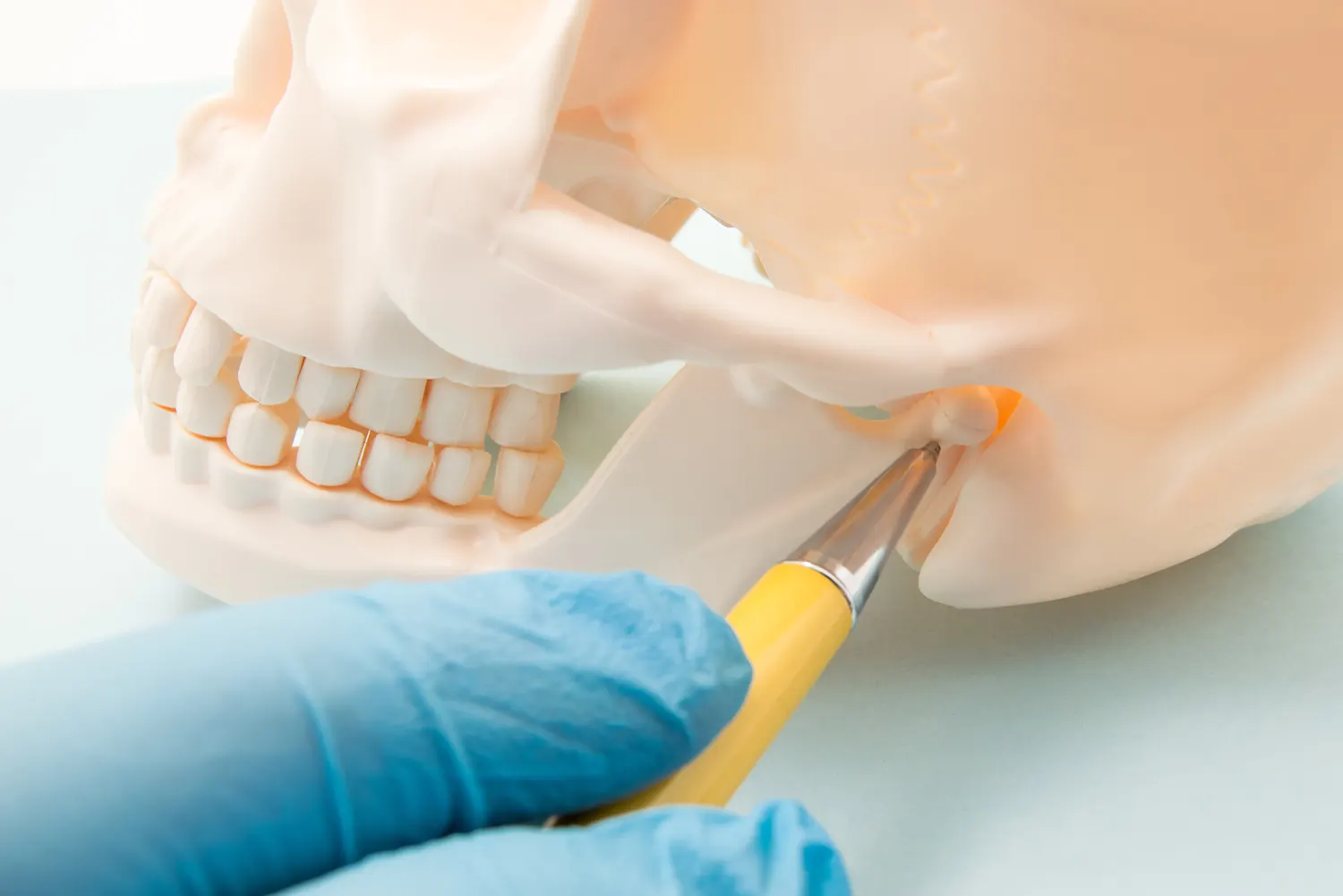
Temporomandibular disorders (TMD) affect the jaw joint and surrounding muscles, causing pain, restricted movement, and other discomforts that can impact daily life. Managing TMD effectively requires specialized care from a trained professional who understands the complexities of the temporomandibular joint. A TMD Specialist provides tailored solutions to diagnose, treat, and manage jaw disorders to restore function and reduce discomfort.
The role of a TMD specialist is critical because jaw disorders can result from a combination of factors, including teeth misalignment, bruxism (teeth grinding), trauma, arthritis, and stress-related muscle tension. While general dentists may offer some initial care, a TMD specialist has the expertise to evaluate the underlying causes and recommend the most effective treatment strategies.
Understanding the Role of a TMD Specialist
A TMD specialist focuses on the diagnosis, treatment, and management of temporomandibular joint disorders. They combine their knowledge of dental, muscular, and skeletal systems to address both the symptoms and root causes of jaw dysfunction. The specialist typically performs a comprehensive assessment, which may include:
- Reviewing medical and dental history to identify contributing factors.
- Conducting a physical examination of the jaw, neck, and facial muscles.
- Listening for jaw sounds, such as clicking or popping, during movement.
- Assessing the range of motion and muscle tenderness.
- Using imaging tools like X-rays, CT scans, or MRIs to evaluate joint structure.
This detailed evaluation allows the TMD specialist to create a customized treatment plan aimed at alleviating pain, improving jaw function, and preventing future complications.
Common Symptoms Treated by TMD Specialists
Patients often consult a TMD specialist when experiencing persistent jaw pain or other related symptoms, including:
- Jaw stiffness or limited range of motion.
- Clicking, popping, or grating sounds during jaw movement.
- Headaches, earaches, or facial pain.
- Discomfort while chewing or opening the mouth.
- Muscle tenderness in the jaw, neck, or shoulders.
Addressing these symptoms promptly is essential to prevent chronic discomfort and avoid potential deterioration of the temporomandibular joint.
Treatment Approaches Offered by TMD Specialists
TMD specialists employ a range of treatment strategies, depending on the severity and nature of the disorder. Common approaches include:
1. Conservative Treatments
Many cases respond well to non-invasive methods such as:
- Jaw Exercises: Gentle stretching and strengthening exercises to improve mobility.
- Lifestyle Adjustments: Modifying diet, avoiding excessive jaw strain, and stress management techniques.
- Pain Management: Over-the-counter or prescription medications to reduce inflammation and discomfort.
- Cold and Heat Therapy: Alternating ice and warm compresses to relieve muscle tension.
2. Oral Appliances
For patients with bruxism or bite issues, custom-made oral devices like night guards or splints help alleviate pressure on the jaw joint and prevent further wear on the teeth.
3. Physical Therapy
Targeted physical therapy may include massage, stretching, and specialized exercises to improve jaw movement and reduce muscle tension. This approach often complements other treatments for optimal results.
4. Advanced Interventions
In more severe cases, the TMD specialist may recommend advanced procedures such as:
- Botox Injections: Reduce muscle tension and alleviate clenching.
- Arthrocentesis: A minimally invasive procedure to remove inflammation from the joint.
- Surgical Options: Reserved for structural problems that cannot be addressed through non-surgical means.
The Benefits of Consulting a TMD Specialist
Seeking care from a TMD specialist ensures:
- Accurate diagnosis of complex jaw disorders.
- Personalized treatment plans based on individual needs.
- Relief from pain and improvement in jaw function.
- Prevention of chronic complications and further joint damage.
- Guidance on lifestyle and ergonomic adjustments to maintain long-term oral health.
Conclusion
Temporomandibular disorders can significantly impact quality of life, causing pain, discomfort, and difficulty with daily activities. Consulting a TMD Specialist ensures a comprehensive evaluation, accurate diagnosis, and tailored treatment plan that addresses both the symptoms and underlying causes of jaw disorders. With professional guidance, patients can experience improved jaw function, reduced pain, and long-term relief from TMD-related issues.